“Coffee bean picking and coffee bean production” search results (2000)

Introduction of high-quality coffee beans in Costa Rican Yerzaro coffee producing area
All the coffee trees planted in Costa Rica are Arabica coffee trees. through improvement, the quality of coffee beans is better and more stable. in order to facilitate picking, coffee trees are kept at a height of about 2 meters through continuous pruning. The coffee that people eat is the taste of the seeds in the fruit that are brewed in water. After picking raw coffee beans, the peel, pulp, seed film and sun exposure must be removed.
2016-09-20 Costa Rica Yelsa Luo Coffee Coffee producing area Variety characteristic Fine goods
Origin, production and introduction of Jamaican Blue Mountain Coffee
The secret of why Blue Mountain Coffee tastes pure: their coffee trees are on rugged hillsides, and the picking process is so difficult that non-local skilled female workers are simply unable to do it. It is very important to choose the right ripe coffee beans when picking. Immaturity or ripeness will affect the quality of the coffee. The picked coffee beans should be shelled on the same day, and then let them ferment 12.
2016-06-02 Jamaica Blue Mountain Coffee Origin production introduction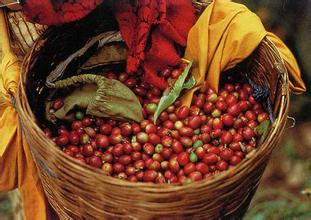
Coffee bean treatment: a brief introduction to the picking process of coffee beans and the differences between several treatment methods
Today, there are two main types of coffee grown most widely in the world: Arabica beans (Coffee Arabica) and Robaster beans (Coffee Robusta). Arabica: accounts for 3/4 of the world's output, good quality, growing in 15-20C areas, elevation requirements of more than 900m. Coffee beans are green to light green in color and oval in shape. Robaster: about four percent of the world's output.
2015-12-09 Coffee beans processing method picking process several method area other simple medium
Coffee production and processing Coffee planting methods how to make coffee beans
Boutique coffee (specialty coffee) is also called specialty coffee selection coffee. It refers to coffee made from a small number of raw beans with excellent taste grown in an ideal geographical environment. Depending on the special soil and climatic conditions in which they grow, they have outstanding flavor. After strict selection and classification, this kind of coffee is hard in texture, rich in taste and stylish.
2016-06-16 Coffee production processing planting way coffee beans how boutique coffee sp
How to pick and handle coffee beans how to make good siphon coffee
The natural drying method sends the picked berries to the drying plant, which will be classified according to the degree of maturity, as the basis for the time and degree of exposure in the sun. Generally, overripe berries take only 1-3 days, red berries take 5-6 days, and green unripe berries take 1-2 weeks. After sun treatment, the dried fruit needs to go through the sheller to remove the peel, pulp and silver skin.
2016-06-08 Coffee beans picking handling way how make delicious siphon coffee nature
Fine Coffee Encyclopedia barista course
The formation environment of coffee trees in botany, coffee trees belong to the evergreen trees of the subgenus Rubiaceae, and coffee beans, commonly known as coffee beans, are actually the seeds of the fruit of coffee trees, just because they are shaped like beans, so they are called coffee beans. Climate is the decisive factor for coffee cultivation. Coffee trees are only suitable for growing in the tropics or subtropics, so the zone between latitude 25 degrees south and north is generally called
2014-10-23 Coffee knowledge fine coffee encyclopedia barista tutorials
Introduction to Coffee trees
First, the planting and regional distribution of coffee trees. Botanically, coffee trees belong to the subgenus Rubiaceae, but coffee beans, commonly known as coffee beans, are actually the seeds of the fruit of coffee trees, just because they are shaped like beans, so they are called coffee beans. Climate is the decisive factor for coffee cultivation. Coffee trees are only suitable for growing in the tropics or subtropics, so the latitude between south and north is between 25 degrees.
2014-11-07 Coffee knowledge coffee common sense coffee tree
Introduction to the basic knowledge of Fine Coffee
First, the planting and regional distribution of coffee trees. Botanically, coffee trees belong to the subgenus Rubiaceae, but coffee beans, commonly known as coffee beans, are actually the seeds of the fruit of coffee trees, just because they are shaped like beans, so they are called coffee beans. Climate is the decisive factor for coffee cultivation. Coffee trees are only suitable for growing in the tropics or subtropics, so the latitude between south and north is between 25 degrees.
2015-04-22 Boutique coffee basics common sense introduction planting region distribution botany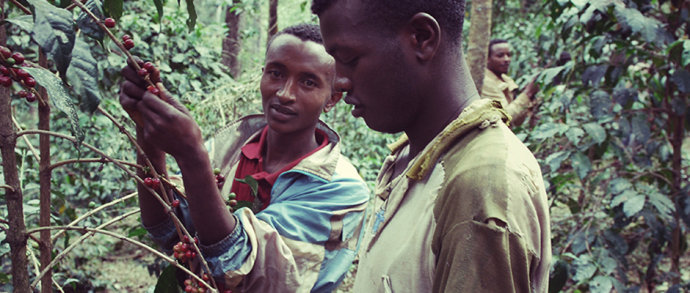
The harvest and processing flow and two basic processing methods of coffee beans in India and West Asia.
Picking: due to climatic differences, the harvest season is usually from September to March in the Northern Hemisphere and from April to August in the Southern Hemisphere. When the coffee beans are ripe, they can be picked. In many alpine slopes, coffee must be picked manually. In relatively flat producing areas such as Brazil, Australia and Hawaii, they can be picked by machines. These two methods
2015-12-29 India West Asia producing areas coffee beans harvesting processing processes and two basic
Introduction to the production and processing of coffee beans in Ethiopia
Production and processing of coffee beans the geographical environment of Ethiopia is very suitable for coffee growth. Mocha coffee is mainly grown in the southern highlands between 1100 and 2300 meters above sea level. The main coffee producing areas are Harald (Harar), Limu (Limu), Djimma (Djimma), Sidamo (Sidamo), Kaffa (Kafa) and Yergacheffe (Yega).
2016-06-12 Ethiopia coffee beans production processing introduction
Coffee beans-bad varieties coffee beans-picking
After harvest, peel, pulp, racing peel and silver peel should be removed before shipping and listing. There are two kinds of methods: drying (also known as natural or non-washing) and washing. Dry type: coffee beans selected coffee bean atlas shape judgment delicious coffee, from its fried coffee bean shape can be known, as shown in the following picture. Of course, there can be no bad coffee beans mixed in, but also note.
2016-05-26 Coffee beans variety bad picking harvest fruit shipping listing removal skin
The unique and strong flavor of Costa Rican Tarazhu Coffee describes the degree of abrasion and the manor in the producing area.
The coffee trees planted in Costa Rica are all Arabica coffee trees. through improvement, the quality of coffee beans is better and more stable. in order to facilitate picking, coffee trees are kept at a height of about 2 meters through continuous pruning. The coffee that people eat is the taste of the seeds in the fruit that are brewed in water. After picking raw coffee beans, the peel, pulp, seed film and sun exposure must be removed.
2016-10-08 Aroma unique strong Costa Rica Tara coffee flavor description grinding
The latest introduction and production method of Fine Blue Mountain Coffee
The secret of why Blue Mountain coffee tastes pure: their coffee trees are all grown on rugged hillsides, and the picking process is so difficult that non-local skilled female workers are simply unable to do it. It is very important to choose the right ripe coffee beans when picking. Immaturity or ripeness will affect the quality of the coffee. The picked coffee beans are shelled on the same day, and then let them ferment for 1218 hours.
2015-12-02 Boutique Blue Mountain Coffee latest introduction production way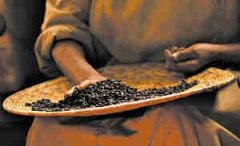
Coffee is made in this way, the production process of coffee beans.
The women picked out the coffee beans that were not fully roasted. The workers poured the coffee beans into the roaster and poured the roasted coffee beans into the plate to cool down. There is a place in Ethiopia called Kafa. Local residents have found that cattle and sheep become excited and powerful after eating a plant that grows small red beans. Later, people began to pick it and grow it consciously, using Kafa as food and drink.
2015-09-21 Coffee like this made coffee beans production process female workers pick out completely bake
Tell you about coffee beans, from fruit to beans.
Every year in October, coffee from all over the world slowly enters the ripening period, and every step of this red fruit will affect its taste from the moment it is picked. Step.1 picking in the production process of coffee beans. Generally speaking, fruits that turn red can be picked, but in some places, there is no strict quality control, even some unripe fruits.
2014-09-18 Coffee beans coffee beans
Introduction to the production area of Ethiopian Coffee Flavor Manor which is divided into washing treatment
Due to different processing methods, coffee can be divided into washed coffee (Washed coffee) and sun-cured coffee (Sun-dried coffee). Washed coffee accounts for 35% of exports. Good quality washed coffee is processed with freshly picked fully ripe fruit, picked carefully and closely monitored by professionals. The clean coffee beans picked up will be pulped on the day of picking.
2016-07-13 Divided into washing treatment Ethiopia coffee flavor taste manor producing area
Introduction of Puerto Rico Coffee Bean production area San Pedro Manor introduces Puerto Rico coffee beans
The soil is of high quality. Some old varieties of Arabica coffee beans are grown here, and although the yield is lower than that of other varieties, they are generally of high quality. People here have been using an ecological and intensive planting method, using only some low-toxic fertilizers and chemicals, and taking mixed crop planting measures to make the soil more fertile. When it's time to pick coffee beans, people
2016-07-20 Puerto Rico coffee beans manors producing areas introductions San Pei Delo soil quality
Introduction to the Flavor of Coffee varieties in the Origin of Coffee in Saint Roman Manor, Costa Rica
All the coffee trees planted in Costa Rica are Arabica coffee trees. through improvement, the quality of coffee beans is better and more stable. in order to facilitate picking, coffee trees are kept at a height of about 2 meters through continuous pruning. The coffee that people eat is the taste of the seeds in the fruit that are brewed in water. After picking raw coffee beans, the peel, pulp, seed film and sun exposure must be removed.
2016-09-19 Costa Rica Roman Manor Coffee Origin planting Environment varieties Flavor
Introduction of fine coffee from Rwanda coffee beans grown in bourbon by washing
The coffee fruit needs to be transported to the processing plant as soon as possible after picking, but due to the lack of domestic facilities, it is unable to deal with the fruit at the first time. The fruits are piled up after being picked, which will continue to develop and accelerate mildew and decay due to lack of ventilation. Rotten fruits will affect the quality of coffee and show defective flavor. In recent years, Rwanda has developed in the production and processing of coffee.
2016-06-22 Washing treatment bourbon planting Rwanda coffee beans introduction boutique coffee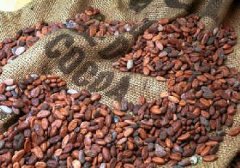
The process of planting and picking Coffee basic knowledge of Coffee
The first people to drink coffee lived in Ethiopia. A drink called Buncham was found in the Arab scientific literature of 900-1000 AD, but it is not certain that it is coffee. These documents mainly record the scientific value of this bean called Buncham. In addition to introducing the protective effects of this drink on the stomach, organs and skin, the author also mentioned that it can make
2015-02-16 Coffee planting picking process basics common sense